
Insect Drones: Privacy is Now a Thing of the PastImagine swatting a mosquito, only to realize it’s not an insect at all—but a miniature drone with a camera, microphone, and wireless transmitter. This isn’t a science-fiction plot. It’s the emerging reality of insect-sized surveillance technology—a development that could render the concept of personal privacy obsolete.—From Nature to Nanotech: The Rise of Insect DronesInsect drones—sometimes called micro aerial vehicles (MAVs)—are ultra-tiny flying robots, often no bigger than a housefly. Some are bio-hybrids, combining real insect bodies with cybernetic control systems, while others are fully robotic with nature-inspired designs.Originally developed for search-and-rescue missions, agriculture, and environmental monitoring, these devices are now raising alarms among privacy advocates.—Why Governments and Corporations Want ThemThe appeal is obvious:Stealth: They blend into natural environments—perfect for discreet observation.Agility: They can navigate tight spaces inaccessible to larger drones.Low Detection: Few people would suspect a fly on the wall is actually recording.Low Cost: Advances in microelectronics and battery tech make them cheaper each year.Agencies could use them for counterterrorism or surveillance. Corporations might deploy them for competitive intelligence—or more worryingly, data harvesting in private spaces.—How They WorkModern insect drones combine multiple cutting-edge technologies:1. Miniature Cameras & Microphones – Capable of recording in HD and capturing conversations from several meters away.2. AI-Assisted Flight – Stabilizes flight even in turbulent indoor air.3. RF Transmission or Local Storage – Sends data in real time or stores it for later retrieval.4. Long-Lasting Micro-Batteries – Allow 20–60 minutes of continuous operation; future versions may use energy harvesting from light or vibration.5. Navigation Systems – GPS for outdoor missions; SLAM (Simultaneous Localization and Mapping) for indoors.Some bio-hybrid designs even stimulate real insect neurons with micro-electrodes, allowing remote control of an actual bug.—Privacy Concerns: A World Without Blind SpotsThe danger lies not just in their existence, but in their invisibility. With insect drones, surveillance can happen:Indoors without consent – They can slip through open windows or tiny gaps.In crowds – Perfect for monitoring protests or public gatherings without visible drones.In workplaces – Used to monitor employees or competitors covertly.In homes – Violating the most private spaces without leaving evidence.This could enable mass warrantless surveillance—something that would be almost impossible to detect or regulate.—Are There Any Laws to Stop This?Regulation is lagging far behind the technology. Current drone laws in many countries only apply to devices above a certain size or weight. Insect drones often fall below these thresholds, meaning they could be deployed without breaking existing regulations.Even where privacy laws exist, enforcement is nearly impossible without physically capturing the drone—something most people would never even notice.—Potential Positive UsesNot all insect drone technology is sinister. They have legitimate, potentially life-saving applications:Finding survivors in disaster zonesPollination assistance in areas with declining bee populationsHazardous environment inspection without risking human livesWildlife monitoring without disturbing animalsThe question is whether these benefits outweigh the risks when surveillance capabilities are so easily abused.—The Future: Invisible Spies in Everyday Life?As microelectronics and AI continue to shrink, insect drones will only become cheaper, quieter, and more capable. The line between harmless insect and surveillance tool could blur to the point where no place is truly private.Without strict regulations and ethical safeguards, we may enter a future where being “alone” is an illusion—and privacy becomes a relic of the past.
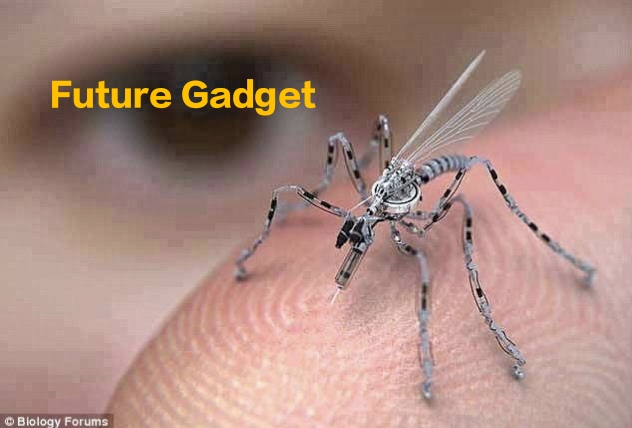
Insect Drones: The Tiny Tech Threat to Your Privacy
by
Tags:
Leave a Reply